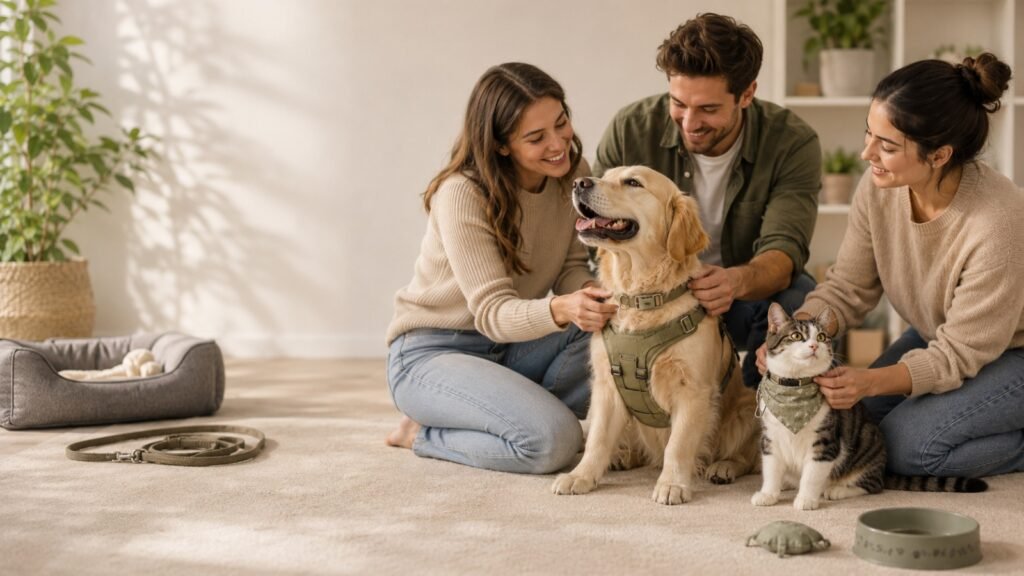
Taking care of a pet is more than providing food and a place to sleep. Dogs and cats need regular exercise, proper nutrition, grooming, mental stimulation, a comfortable environment, and plenty of attention to live happy and healthy lives.
Whether you are a new pet parent or have been caring for animals for years, having a simple daily routine can make a big difference. In this guide, NovaPetly shares practical pet care tips that can help you provide better everyday care for your dog or cat.
Why Good Pet Care Matters
Pets depend on their owners for many of their basic needs. A healthy lifestyle can support their physical condition, emotional well-being, comfort, and quality of life.
Good pet care includes several important areas:
-
Healthy and appropriate nutrition
-
Fresh drinking water
-
Regular physical activity
-
Grooming and hygiene
-
Mental stimulation
-
Comfortable sleeping areas
-
Pet-safe surroundings
-
Regular veterinary care
-
Positive interaction and attention
The best routine is one that fits your pet’s age, size, breed, personality, and individual needs.
1. Provide Your Pet With a Balanced Diet
One of the most important parts of responsible pet care is nutrition.
Dogs and cats have different nutritional requirements, so their food should be appropriate for their species, age, size, activity level, and individual needs. Puppies and kittens, for example, have different nutritional needs from adult pets.
Avoid making sudden changes to your pet’s diet unless necessary. If you need to change food, transitioning gradually can help reduce digestive problems.
Always make sure your pet has access to clean, fresh water.
If you are unsure about the right food, portion size, or feeding schedule, speak with a veterinarian who can recommend an appropriate plan for your pet.
Simple Pet Nutrition Tips
-
Choose food appropriate for your pet’s life stage.
-
Follow feeding recommendations and adjust according to your veterinarian’s advice.
-
Keep fresh water available throughout the day.
-
Avoid giving pets foods that may be unsafe for them.
-
Monitor changes in appetite, weight, or eating habits.
-
Store pet food properly and keep it fresh.
Good nutrition is one of the foundations of long-term pet health.
2. Make Exercise Part of Your Pet’s Routine
Exercise is essential for many dogs and cats. Regular physical activity helps pets stay active and can also provide important mental stimulation.
For dogs, daily walks, games of fetch, training activities, and supervised outdoor play can be excellent ways to stay active.
Cats can benefit from interactive toys, climbing areas, scratching posts, and short play sessions throughout the day.
The amount of exercise your pet needs depends on factors such as age, breed, health, energy level, and personality.
Easy Ways to Keep Pets Active
-
Take your dog for regular walks.
-
Play interactive games.
-
Use toys that encourage movement.
-
Give cats opportunities to climb and explore safely.
-
Rotate toys to keep them interesting.
-
Include short training sessions in your daily routine.
A good combination of physical activity and mental stimulation can help prevent boredom and encourage healthier behavior.
3. Create a Comfortable Sleeping Area
Pets spend a significant amount of time resting, so a comfortable sleeping area is an important part of everyday pet care.
A good pet bed should provide a comfortable place where your dog or cat can relax without being disturbed.
Choose a bed according to your pet’s size and sleeping habits. Some pets prefer soft, cushioned beds, while others may prefer a supportive surface or a more enclosed space.
Keep the sleeping area clean and check the bedding regularly.
For homes with multiple pets, providing separate resting areas can also give each animal a quiet place to relax.
At NovaPetly, we believe that pet comfort is an important part of creating a pet-friendly home.
4. Keep Your Pet Clean and Well Groomed
Regular grooming is another essential part of responsible pet care.
Grooming requirements vary between pets. Some dogs need frequent brushing because of their coat type, while short-haired pets may require less brushing.
Cats also benefit from regular grooming, especially cats with longer coats.
Basic grooming can include:
-
Brushing the coat
-
Cleaning around the eyes when appropriate
-
Nail care
-
Bathing when necessary
-
Checking ears
-
Maintaining good dental hygiene
Regular grooming can also give you an opportunity to notice unusual changes such as skin irritation, lumps, wounds, or other concerns.
If you notice something unusual, contact your veterinarian for professional advice.
5. Take Care of Your Pet’s Dental Health
Dental care is often overlooked, but oral hygiene is an important part of overall pet health.
Plaque and tartar can build up over time, and poor dental hygiene can contribute to oral problems.
Ask your veterinarian about an appropriate dental care routine for your pet. Depending on the animal, this may include brushing with pet-specific products, dental treats, professional cleaning, or other recommended methods.
Never use human toothpaste on your pet unless a veterinary professional specifically recommends it.
6. Give Your Pet Mental Stimulation
Physical exercise is only one part of a healthy lifestyle. Pets also need opportunities to think, explore, and interact with their environment.
Dogs may enjoy puzzle toys, training exercises, scent games, and interactive play.
Cats often enjoy toys that encourage natural behaviors such as chasing, climbing, scratching, and exploring.
Try introducing different activities instead of giving your pet the same toy every day.
Mental stimulation can make everyday life more interesting and help reduce boredom.
7. Make Your Home Pet-Friendly
A safe home is an important part of pet safety.
Pets are naturally curious, so everyday household objects can sometimes become hazards.
Keep potentially dangerous items away from animals, including unsuitable foods, cleaning products, medications, small objects, and anything else your veterinarian recommends keeping out of reach.
Secure windows, balconies, doors, and other areas where your pet could accidentally escape or become injured.
You should also regularly inspect toys, beds, collars, leashes, and other pet accessories for signs of damage.
Replace damaged items when necessary.
8. Choose the Right Pet Accessories
The right pet accessories can make everyday life more comfortable and convenient for both pets and their owners.
Depending on your pet’s needs, useful accessories may include:
-
Comfortable pet beds
-
Dog collars and leashes
-
Harnesses
-
Travel accessories
-
Food and water bowls
-
Grooming tools
-
Interactive toys
-
Cat scratching products
-
Pet blankets
-
Car safety accessories
-
Storage solutions for pet supplies
When choosing an accessory, consider safety, comfort, size, material, durability, and how the product will be used.
For example, a dog that frequently travels by car may benefit from dedicated dog car accessories designed to make travel more comfortable and secure.
9. Keep a Consistent Daily Routine
Pets often feel more comfortable when they know what to expect.
A simple routine can include regular feeding times, walks, play sessions, grooming, rest, and bedtime.
Your routine does not have to be complicated.
For example:
Morning:
Feed your pet, provide fresh water, and take your dog outside or spend some time playing with your cat.
Afternoon:
Provide a short play or enrichment session and check that your pet has water and a comfortable resting area.
Evening:
Feed your pet according to its normal schedule, provide exercise or play, and spend some quality time together.
Consistency can help make everyday pet care easier for both you and your animal companion.
10. Spend Quality Time With Your Pet
One of the simplest pet care tips is also one of the most important: spend time with your pet.
Dogs and cats can benefit from positive interaction with their owners.
Play together, practice basic training, go for walks, groom your pet, or simply spend quiet time together.
Pay attention to your pet’s behavior and learn what makes them comfortable or uncomfortable.
Understanding your pet’s normal behavior can also make it easier to notice when something changes.
11. Schedule Regular Veterinary Checkups
Regular veterinary care is an important part of responsible pet ownership.
Even when a pet appears healthy, routine checkups can help monitor its general condition and allow a veterinarian to provide guidance about vaccinations, parasite prevention, nutrition, dental care, weight, and other age-related needs.
The appropriate schedule depends on your pet and its individual circumstances.
If your pet develops unusual symptoms, significant behavior changes, changes in appetite, or other concerns, contact a qualified veterinarian rather than relying only on online information.
12. Watch Your Pet’s Weight
Maintaining a healthy weight is another important part of pet care.
Overfeeding, too many treats, insufficient activity, and other factors can contribute to unhealthy weight gain.
Instead of judging your pet’s condition only by appearance, ask your veterinarian to help you understand an appropriate weight and body condition for your individual pet.
Keep treats moderate and include them as part of your pet’s overall daily nutrition.
13. Pay Attention to Changes in Behavior
You know your pet’s normal habits better than anyone.
Changes in behavior can sometimes indicate that something is wrong.
Pay attention to changes such as:
-
Reduced appetite
-
Unusual tiredness
-
Excessive scratching
-
Changes in drinking habits
-
Unusual aggression or fear
-
Changes in bathroom habits
-
Difficulty moving
-
Hiding more than usual
-
Sudden changes in sleeping patterns
A single behavior change does not necessarily mean there is a serious problem, but unusual or persistent changes deserve attention.
When in doubt, speak with a veterinarian.
14. Make Pet Travel More Comfortable
Travel can be stressful for some pets, especially when they are not accustomed to being in a car.
Before traveling, make sure your pet has appropriate safety equipment and that the vehicle environment is comfortable.
For dogs, useful travel accessories can include car seat covers, protective mats, harnesses, travel bowls, and other items designed for safe and convenient transportation.
Never leave a pet unattended in a parked vehicle, particularly in hot or cold weather.
Plan breaks during longer journeys so your pet can rest and, where appropriate, drink water and take a bathroom break.
15. Build a Pet Care Checklist
A simple checklist can make everyday pet care easier.
Daily Pet Care Checklist
-
Provide fresh drinking water.
-
Give the appropriate amount of food.
-
Provide exercise or playtime.
-
Check your pet’s general behavior.
-
Keep the sleeping area comfortable.
-
Give your pet positive attention.
-
Clean food and water bowls when needed.
-
Check that the home environment is safe.
Weekly Pet Care Checklist
-
Clean bedding and sleeping areas.
-
Inspect toys and accessories.
-
Groom your pet according to its needs.
-
Check collars, leashes, beds, and other equipment.
-
Clean areas where your pet regularly spends time.
The exact routine will depend on your pet, but a consistent checklist can help you avoid forgetting important tasks.
Frequently Asked Questions About Pet Care
How do I take good care of my pet?
Good pet care involves providing appropriate nutrition, fresh water, exercise, grooming, mental stimulation, a safe environment, comfortable rest areas, regular veterinary care, and plenty of positive interaction.
What are the most important pet care tips?
The most important pet care tips include feeding an appropriate diet, providing exercise, maintaining hygiene, creating a safe and comfortable home, monitoring behavior, and getting professional veterinary care when needed.
How often should I groom my pet?
Grooming frequency depends on the species, breed, coat type, age, and individual needs of your pet. Some pets need frequent brushing, while others require less grooming.
How can I keep my dog happy at home?
Regular exercise, interactive play, training, comfortable bedding, mental stimulation, social interaction, and a consistent routine can help create a happier home environment for many dogs.
How can I keep my cat entertained?
Interactive toys, scratching posts, climbing opportunities, hiding areas, and short play sessions can provide physical and mental stimulation for cats.
What should every pet owner have at home?
Basic supplies usually include appropriate food, fresh water bowls, comfortable bedding, suitable toys, grooming supplies, cleaning products, and appropriate safety or travel accessories.
Final Thoughts
Taking care of a pet does not have to be complicated. Small, consistent actions can make a meaningful difference in your pet’s daily life.
Provide nutritious food, clean water, regular activity, proper grooming, mental stimulation, a comfortable place to rest, and a safe environment. Most importantly, learn your pet’s individual needs and pay attention to changes in behavior.
At NovaPetly, our goal is to help pet parents discover useful products, practical pet care information, and accessories that can make everyday life with dogs and cats more comfortable and enjoyable.
A happy pet starts with good everyday care — and the best time to improve your pet’s routine is today.